


Introduction
Modern transportation and highway projects require highly accurate data, faster surveys, and efficient planning processes. Traditional surveying methods can be time-consuming and sometimes disruptive to traffic flow. This is where 3d mobile mapping technology is transforming the industry. 3D Mobile Mapping: A Game Changer for Transportation and Highway Projects because it allows engineers, planners, and surveyors to capture detailed spatial data quickly and safely while maintaining traffic movement.
By using advanced sensors, cameras, and positioning systems mounted on vehicles, this technology collects millions of data points in real time, creating highly accurate 3D representations of roads, bridges, and surrounding infrastructure.
What is 3D Mobile Mapping?
3D mobile mapping is a data collection technique that uses vehicles equipped with LiDAR scanners, high-resolution cameras, and GNSS systems to capture precise geographic information while moving. The collected data is processed into detailed 3D models, point clouds, and digital maps.
Because data collection happens while the vehicle is in motion, it dramatically reduces the time needed to survey large transportation networks. This efficiency highlights why 3D Mobile Mapping: A Game Changer for Transportation and Highway Projects, especially when speed and accuracy are critical.
Faster Data Collection for Large Infrastructure
Transportation projects often span many kilometers and involve complex infrastructure elements such as interchanges, bridges, tunnels, and road corridors. Traditional methods may require multiple field visits and traffic control measures.
With mobile mapping systems, survey teams can capture vast amounts of data in a single drive-through. This significantly shortens project timelines and reduces costs associated with labor, equipment, and road closures. The ability to rapidly gather accurate spatial information is one of the main reasons 3D Mobile Mapping: A Game Changer for Transportation and Highway Projects.
Improved Accuracy and Detailed Insights
Another major benefit of mobile mapping is the high level of precision it provides. Modern systems can capture millions of data points per second, producing detailed point clouds and imagery that allow engineers to analyze road conditions, lane markings, signage, and roadside assets.
This level of detail supports better planning and decision-making. Engineers can identify potential design challenges early in the project lifecycle, reducing costly modifications during construction.
Enhanced Safety for Survey Teams
Safety is always a top priority in highway and transportation projects. Traditional survey methods often require teams to work close to moving traffic, which can be dangerous.
Mobile mapping significantly reduces these risks because data can be collected from a moving vehicle without placing surveyors directly on the roadway. This improved safety environment is another reason why 3D Mobile Mapping: A Game Changer for Transportation and Highway Projects and why many transportation agencies are adopting the technology.
Supporting Smart Infrastructure Development
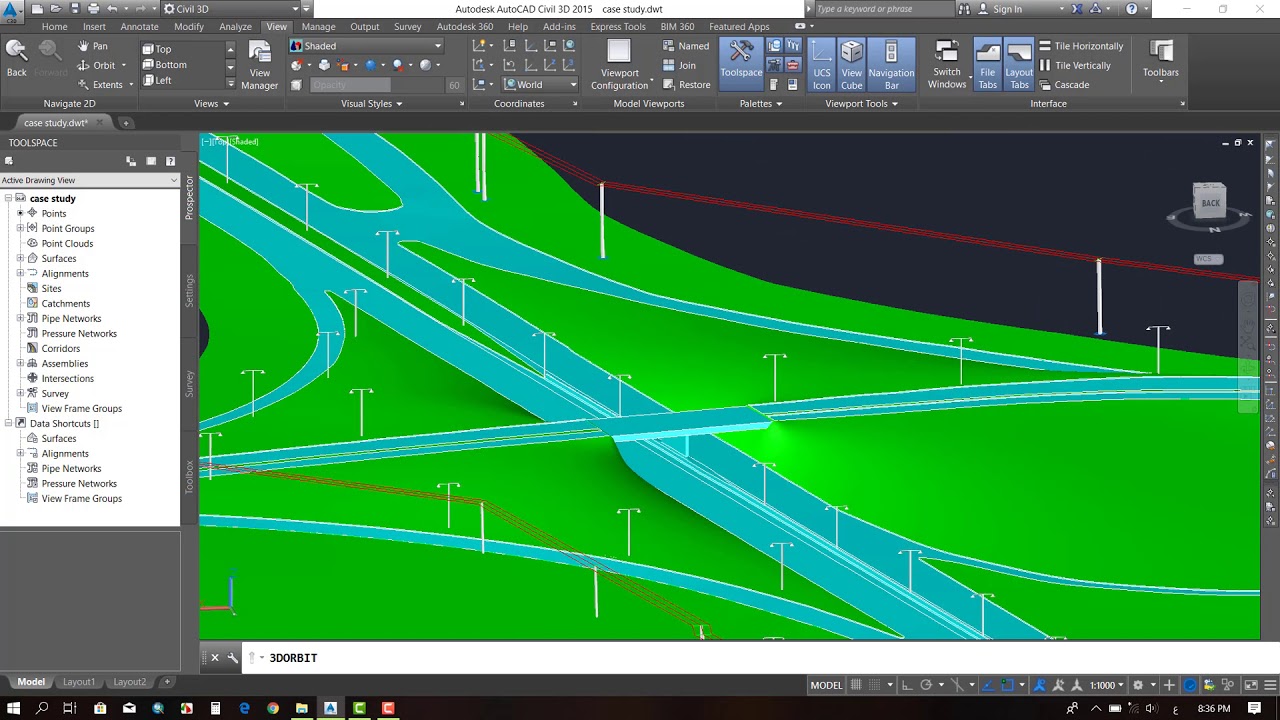
As cities move toward smarter infrastructure and digital twins, accurate 3D data becomes essential. Mobile mapping provides the foundation for creating digital models of transportation networks, enabling better monitoring, planning, and asset management.
These models can be used for traffic simulations, maintenance planning, and future infrastructure upgrades, making mobile mapping an essential tool for modern transportation development.
Conclusion
The transportation industry is undergoing rapid technological transformation, and mobile mapping is at the center of this change. By enabling faster data collection, improving accuracy, enhancing safety, and supporting digital infrastructure planning, the technology is redefining how transportation projects are executed.
