


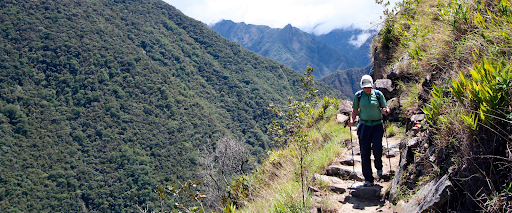
The allure of the Inca Trail has captivated adventurers for decades, but not everyone has the time or desire to commit to the classic four-day trek. Enter the hike short inca trail with hotel 2 days accommodation: a two-day journey that distills the essence of this legendary route into an accessible, comfortable adventure. This condensed experience offers the perfect balance between authentic trail hiking and modern comfort, making it an ideal choice for travelers with limited time or those seeking a gentler introduction to high-altitude trekking in Peru.
Understanding the Short Inca Trail Experience
The short Inca Trail, also known as the Express Inca Trail or the 2-Day 1-Night trek, covers approximately 12 kilometers of the most spectacular section of the ancient Incan pathway. Unlike the traditional four-day route, this abbreviated version begins at kilometer 104 of the railway line, allowing hikers to experience the trail’s most dramatic archaeological sites and breathtaking mountain scenery without the extended camping commitment.
What sets the hotel-based version apart is the accommodation component. After completing the day’s hike and exploring Machu Picchu, trekkers descend to Aguas Calientes, the town nestled at the base of the citadel. Here, they spend the night in comfortable hotel rooms with hot showers, proper beds, and restaurant meals—a stark contrast to the camping experience of the traditional trek. This hybrid approach appeals to travelers who want authentic trail experiences without sacrificing basic comforts.
Day-by-Day Breakdown
Day One: Trail to Machu Picchu
The adventure begins early with a train journey from Cusco or the Sacred Valley to kilometer 104. The scenic railway route follows the rushing Urubamba River, offering glimpses of the dramatic Andean landscape. Upon arrival at Chachabamba, the official trailhead, hikers begin their ascent through cloud forest terrain.
The path climbs steadily upward, passing through microclimates that showcase Peru’s incredible biodiversity. Ancient stone steps lead trekkers through lush vegetation where orchids cling to tree branches and hummingbirds dart between flowers. The first major archaeological site encountered is Chachabamba itself, a ceremonial bathing complex that demonstrates the Incas’ sophisticated understanding of water management and spiritual practices.
The trail continues upward to Wiñay Wayna, one of the most impressive Incan ruins outside of Machu Picchu. This terraced complex, whose name means “forever young” in Quechua, features agricultural terraces that cascade down the mountainside alongside residential and ceremonial structures. The site’s preservation and dramatic setting make it a highlight of any Inca Trail journey.
After exploring Wiñay Wayna, hikers continue to the Sun Gate, or Inti Punku, the traditional entrance to Machu Picchu. The moment when the Lost City of the Incas comes into view through this stone gateway ranks among the most memorable experiences in South American travel. The afternoon light typically bathes the ruins in a golden glow, with fewer crowds than early morning visits.
Following the initial Machu Picchu visit, trekkers descend via bus to Aguas Calientes for their hotel stay. The evening offers time to explore this quirky mountain town, enjoy a proper meal, and recover in comfort before the next day’s exploration.
Day Two: In-Depth Machu Picchu Exploration
The second day allows for a comprehensive guided tour of Machu Picchu during optimal morning hours. With fresh legs and the benefit of the previous day’s orientation, visitors can fully appreciate the citadel’s architectural genius, astronomical alignments, and historical significance. The guided tour typically covers the Temple of the Sun, the Intihuatana stone, the Temple of the Three Windows, and the residential sectors that housed the Incan elite.
Depending on permit availability and personal interest, some tours include the option to climb Huayna Picchu or Machu Picchu Mountain for panoramic views of the ruins and surrounding peaks. After the tour, travelers return to Cusco via train and bus, arriving in the late afternoon or evening.
Why Choose the Hotel-Based Short Trail
The two-day hotel option addresses several common concerns about traditional Inca Trail trekking. Physical demands, while still present, are significantly reduced. The single day of hiking covers challenging terrain but doesn’t require consecutive days of mountain trekking with heavy camping gear. This makes the experience accessible to moderately fit individuals who might be intimidated by the classic four-day route.
Recovery and comfort factor heavily into the appeal. After a demanding day on the trail, the prospect of a hot shower, comfortable bed, and restaurant meal cannot be overstated. This is particularly valuable for travelers who may be dealing with altitude adjustment or who simply prefer not to camp. The hotel night also allows for better sleep quality, which enhances the next day’s Machu Picchu experience.
Time efficiency makes this option attractive for travelers with limited vacation days. The condensed itinerary delivers the iconic Inca Trail experience and comprehensive Machu Picchu visit within just 48 hours, making it possible to incorporate into shorter Peru itineraries or combine with other destinations like Lake Titicaca or the Amazon.
Practical Considerations and Planning
Booking in advance is absolutely essential for the short Inca Trail. Like the classic route, this trek requires government permits that are strictly limited and often sell out months ahead, especially during peak season from May through September. Working with a licensed tour operator is mandatory, as independent hiking is not permitted on any section of the Inca Trail.
Physical preparation should not be underestimated despite the shorter duration. The trail involves significant elevation gain, steep stone steps, and high-altitude conditions. Most of the route sits above 2,400 meters, with Machu Picchu itself at 2,430 meters. Spending a few days acclimatizing in Cusco before the trek is strongly recommended to prevent altitude sickness.
Weather varies dramatically by season. The dry season from April to October offers the most reliable conditions, though temperatures can still be cool in the mornings and evenings. The wet season from November to March brings afternoon rains and more challenging trail conditions, though fewer crowds and lusher landscapes provide compensation.
Essential packing includes sturdy hiking boots with good ankle support, layered clothing for changing temperatures, rain gear regardless of season, sun protection, insect repellent, and a comfortable daypack. The hotel night means you can pack toiletries and a change of clothes without worrying about multi-day camping weight restrictions.
The Cultural and Historical Context
Walking any portion of the Inca Trail connects modern travelers to an ancient transportation and communication network that once spanned the vast Incan Empire. The Qhapaq Ñan, or Royal Road, extended over 40,000 kilometers across western South America, linking diverse territories through challenging Andean terrain. The section to Machu Picchu served both practical and ceremonial purposes, allowing pilgrims, administrators, and royalty to access this sacred site.
The archaeological sites encountered on the short trail reveal the Incas’ remarkable engineering capabilities and sophisticated society. Every stone structure demonstrates precise construction techniques that have withstood centuries of earthquakes and weathering. The agricultural terraces showcase advanced understanding of soil management, irrigation, and microclimate utilization that sustains large populations in challenging mountain environments.
Guides play a crucial role in bringing this history to life. Their expertise helps visitors understand architectural details, astronomical alignments, and historical context that might otherwise go unnoticed. Many guides also share traditional Quechua perspectives and contemporary Andean culture, creating a richer, more multidimensional experience.
Environmental and Ethical Considerations
The popularity of Inca Trail tourism has raised important sustainability questions. The Peruvian government’s permit system helps control visitor numbers and environmental impact, while regulations regarding porter treatment and waste management have improved working conditions and trail preservation. Choosing operators that adhere to ethical practices, pay fair wages, and prioritize environmental stewardship makes a significant difference.
Trekkers should practice Leave No Trace principles throughout their journey. This includes packing out all waste, staying on designated paths, respecting archaeological sites, and being mindful of water and energy consumption in Aguas Calientes. The trail’s preservation depends on every visitor’s commitment to responsible tourism.
Conclusion
The hike short inca trail with hotel 2 days accommodation represents an innovative approach to one of South America’s most iconic trekking experiences. By condensing the journey into two manageable days and incorporating comfortable lodging, this option democratizes access to the Inca Trail without compromising its essential magic. Hikers still traverse authentic ancient pathways, encounter spectacular archaeological sites, and earn their arrival at Machu Picchu through physical effort, all while enjoying the recovery benefits of proper accommodation.
This hybrid model proves particularly valuable for travelers balancing adventure aspirations with practical constraints of time, fitness level, or comfort preferences. It delivers the transformative experience of walking in Incan footsteps and witnessing Machu Picchu from the traditional Sun Gate entrance, while acknowledging that not everyone wants or needs the full camping experience to have a meaningful journey.
Key Takeaways
Accessibility: The two-day format makes the Inca Trail experience achievable for travelers with limited time or moderate fitness levels who want to avoid multi-day camping.
Comfort Balance: Hotel accommodation in Aguas Calientes provides essential recovery, hot showers, and quality sleep after a challenging day of high-altitude hiking.
Advance Planning Required: Permits are strictly limited and must be booked months ahead through licensed operators—independent hiking is not permitted.
Acclimatization Matters: Spending several days in Cusco before the trek is crucial for altitude adjustment and ensuring an enjoyable experience.
Complete Experience: Despite its shorter duration, this route includes stunning trail sections, major archaeological sites like Wiñay Wayna, and comprehensive Machu Picchu exploration.
Year-Round Possibility: While the dry season offers optimal conditions, the trek operates throughout the year with appropriate preparation for seasonal weather variations.
Cultural Significance: The experience connects travelers to ancient Incan engineering, spirituality, and civilization while supporting contemporary Peruvian tourism and local communities.
Sustainable Tourism: Choosing ethical operators and practicing responsible trekking helps preserve this precious historical and environmental treasure for future generations.
