


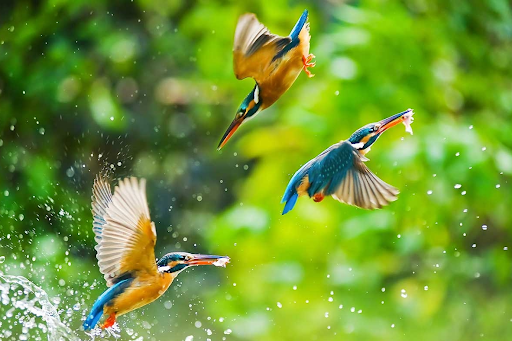
Birding tours have transformed from niche pursuits into one of the fastest-growing segments of nature-based tourism, attracting everyone from casual observers captivated by backyard feeders to dedicated listers chasing rare species across continents. These specialized excursions combine expert guidance, strategic planning, and insider knowledge to maximize bird encounters while providing educational context that deepens appreciation for avian diversity, behavior, and conservation.
Whether you’re hoping to witness the aerial acrobatics of hummingbirds in Ecuador, hear the haunting calls of nightjars in African savannas, or marvel at raptor migrations funneling through Central American flyways, birding tours offer structured pathways to experiences that independent travelers would spend years developing the skills and knowledge to replicate.
The Appeal of Guided Birding Tours
Birds exist virtually everywhere humans venture, yet truly exceptional birding requires specialized knowledge that takes decades to develop independently. Expert guides on birding tours possess encyclopedic familiarity with local avifauna they recognize species instantly by subtle plumage variations invisible to untrained eyes, identify birds by brief call notes amid complex soundscapes, and predict where specific species feed, nest, or rest based on season, weather, and habitat conditions.
This expertise dramatically accelerates the learning curve for birders at all levels. Beginners gain foundational identification skills while experiencing success that builds confidence and enthusiasm. Intermediate birders refine their abilities by observing how experts approach identification challenges. Advanced birders benefit from guides’ intimate knowledge of local specialties, rare species locations, and recent sightings that would require weeks of solo reconnaissance to discover.
Beyond practical advantages, birding tours foster community among like-minded enthusiasts. Shared excitement when a target species appears, collaborative problem-solving during difficult identifications, and evening discussions comparing field notes create camaraderie impossible to replicate when birding alone. Many lifelong friendships and birding partnerships originate during organized tours.
Types of Birding Tours
Birding tours encompass diverse formats designed for varying experience levels, physical abilities, time constraints, and birding objectives. Understanding available options helps match tours to personal preferences and goals.
Day tours provide accessible introductions to local birding without overnight commitments. These excursions typically focus on nearby hotspots, visiting multiple habitats to maximize species diversity within limited timeframes. Day tours work well for travelers incorporating birding into broader vacation plans or locals wanting to explore their region with expert guidance.
Multi-day regional tours dive deeper into specific areas, allowing thorough coverage of habitats and significantly higher species tallies. Week-long tours might explore a country’s key birding sites, strategically moving between lowlands and highlands, wet and dry regions, or coastal and interior locations to encounter the full spectrum of resident and migratory species.
International birding tours target biodiversity hotspots or regions harboring endemic species unavailable elsewhere. Destinations like Costa Rica, Ecuador, Peru, South Africa, and India regularly feature in global birding tour catalogs due to exceptional species diversity and well-developed infrastructure supporting birding tourism.
Specialized tours focus on particular bird groups, behaviors, or phenomena. Owl tours operate primarily at night, seeking nocturnal species through spotlighting and call playback. Migration tours position participants along flyways during peak passage periods when thousands of raptors, shorebirds, or songbirds funnel through concentrated corridors. Seabird pelagic trips venture offshore to find oceanic species rarely visible from land.
Photography-oriented birding tours prioritize image opportunities over sheer species tallies, investing more time at productive locations and positioning participants for optimal lighting and backgrounds. These tours often feature smaller groups and incorporate blinds, hides, or strategic positioning that minimizes disturbance while maximizing close encounters.
Choosing the Right Birding Tour
Selecting appropriate tours requires honest assessment of your experience level, physical capabilities, and birding goals. Tour descriptions typically indicate difficulty levels, daily walking distances, terrain challenges, and pace. Matching these factors to your abilities ensures enjoyable experiences rather than frustrating struggles.
Group size significantly affects birding tour quality. Smaller groups of four to eight participants allow everyone clear views when birds appear, reduce noise that spooks sensitive species, and enable guides to provide more personalized instruction. Larger groups of twelve to sixteen people cost less per participant but inevitably create logistics challenges when everyone needs sight lines on small, mobile subjects.
Guide expertise represents perhaps the most critical variable in birding tour success. Research guide credentials, read reviews from previous participants, and seek recommendations from birding clubs or online communities. The best guides combine encyclopedic bird knowledge with teaching ability, enthusiasm that’s infectious rather than overwhelming, and interpersonal skills that foster positive group dynamics.
Itinerary details reveal tour priorities and philosophy. Examine daily schedules: do they allow adequate time at productive sites or rush between numerous locations? Check target species lists against your personal wants. Verify whether tours focus exclusively on birds or incorporate broader natural history. Some birders prefer pure bird-focused tours, while others enjoy learning about mammals, reptiles, plants, and ecosystems alongside avian subjects.
What to Expect on a Birding Tour
Birding tours typically begin early dawn and represent the day’s most productive birding period when territorial males sing actively and feeding activity peaks. Expect pre-breakfast departures, with coffee and snacks distributed before heading into the field. This early start rhythm continues throughout multi-day tours.
The pace alternates between periods of intense observation when birds are active and quieter midday intervals when avian activity decreases. Guides use slower periods for traveling between sites, meals, educational discussions, or rest breaks that prevent exhaustion during week-long tours.
Equipment needs vary by tour type, but quality binoculars represent the single most important investment for serious birding. Eight or ten-power magnification with objective lenses of 40-42mm provides excellent balance between image brightness, field of view, and portability. Spotting scopes mounted on tripods allow detailed study of distant shorebirds, waterfowl, or raptors, though not all tours require them.
Field guides specific to your destination provide essential reference material. While guides carry comprehensive references, having your own allows independent study and review. Many birders now use smartphone apps combining field guide illustrations, range maps, and song recordings that aid identification and enhance learning.
Weather-appropriate clothing in muted earth tones prevents spooking birds while maintaining comfort across varying conditions. Layering systems accommodate temperature fluctuations between dawn chill and midday heat. Rain gear protects during sudden showers common in many premier birding destinations.
Premier Birding Destinations Worldwide
Certain regions have achieved legendary status among birders due to extraordinary diversity, high endemism rates, or spectacular concentrations during migration periods.
Ecuador rivals any country globally for avian diversity relative to its compact size, hosting over 1,600 species more than the United States and Canada combined. Birding tours to Ecuador traverse dramatic elevation gradients from Amazonian lowlands through cloud forests to high-altitude paramo, encountering distinct avian communities in each zone. Hummingbird diversity alone justifies Ecuador’s popularity, with approximately 130 species including glittering jewels like sword-billed and booted racket-tail hummingbirds.
Costa Rica offers perhaps the world’s best combination of bird diversity and birding infrastructure accessibility. The country’s commitment to conservation has protected critical habitats while developing eco-lodges, knowledgeable guides, and well-maintained trails that facilitate birding. Resplendent quetzals, scarlet macaws, and hundreds of other species attract birders year-round.
South Africa provides extraordinary variety from endemic Cape species to tropical African birds in the northeast. The country’s excellent infrastructure, malaria-free birding areas, and opportunities to combine birding with safari-style mammal viewing create comprehensive wildlife experiences.
Southeast Asia’s rainforests harbor distinct avian families found nowhere else. Borneo birding tours seek spectacular broadbills, pittas, and trogons alongside the famous orangutans. Thailand, Malaysia, and Indonesia each offer unique species assemblages reflecting the region’s complex biogeography.
North America’s migration spectacles draw international birders to witness millions of shorebirds, raptors, and songbirds funneling through concentration points. Texas’s Rio Grande Valley, Cape May in New Jersey, and Point Pelee in Ontario become birding pilgrimage sites during peak passage periods.
Birding Tour Ethics and Conservation
Responsible birding tours operate according to established ethical guidelines that prioritize bird welfare over human desires. This means avoiding excessive use of audio playback that stresses territorial birds, maintaining respectful distances that don’t disrupt feeding or nesting, and never baiting with food to manipulate natural behaviors for easier viewing.
The economic impact of birding tourism creates powerful conservation incentives. When communities recognize that intact habitats generate sustainable income through visiting birders, protection becomes economically rational rather than altruistic sacrifice. Your tour dollars directly support conservation when directed toward responsible operators who employ local guides, stay in locally-owned accommodations, and contribute to habitat protection initiatives.
Many birding tours incorporate citizen science components, with daily sightings reported to eBird or regional databases that inform conservation planning. These contributed observations help scientists track population trends, identify critical habitats, and detect range shifts potentially linked to climate change.
Preparation for Your Birding Tour
Physical preparation appropriate to tour difficulty prevents exhaustion from derailing enjoyment. Multi-day tours often involve extensive walking over uneven terrain in heat and humidity. Building stamina through regular walking in the months before departure pays dividends during the tour.
Pre-trip study of destination birds enhances field experiences significantly. Familiarizing yourself with expected species, learning characteristic field marks, and studying songs and calls before departure allows you to focus on observation and behavior rather than struggling with basic identification during the tour.
Understanding local customs, tipping expectations, and cultural considerations demonstrates respect for host communities. Birding tours often visit rural areas where interactions with local people form part of the experience. Approaching these encounters with curiosity, respect, and cultural sensitivity enriches experiences for everyone involved.
Setting realistic expectations prevents disappointment. Birds are wild, mobile, and sometimes uncooperative. Target species may not appear despite visiting appropriate habitats at the right season. Weather can disrupt plans. Embracing uncertainty as part of authentic birding experiences transforms potential frustrations into adventures.
Solo Birding vs. Guided Tours
Independent birding certainly offers advantages complete flexibility, personalized pacing, and cost savings when traveling solo or with friends. Experienced birders familiar with destinations often prefer independent travel allowing spontaneous decisions based on recent sightings or weather conditions.
However, guided birding tours provide value difficult to replicate independently. Access to private reserves or productive sites on private lands often comes only through established tour operators. Guide expertise in locating difficult species, secretive forest understory birds, camouflaged nightjars, or high-canopy specialists can mean the difference between frustrating searches and satisfying encounters.
Time efficiency favors guided tours dramatically. Guides eliminate hours spent studying maps, researching access points, and trial-and-error site evaluation. They position you at productive locations during optimal times rather than after species have finished morning activity. For birders with limited vacation time, these efficiencies justify tour costs through maximized birding quality.
Conclusion
birding tours open windows into the remarkable diversity, beauty, and complexity of the avian world. These carefully crafted experiences combine expert knowledge, strategic planning, and insider access to deliver bird encounters that would require years of independent effort to achieve. Whether you’re taking your first tentative steps into birding or adding rare species to an already impressive life list, guided tours accelerate learning, maximize success, and create memories extending far beyond simple species tallies.
The satisfaction of finally seeing a long-sought species, the joy of mastering identification challenges through expert guidance, and the camaraderie shared with fellow enthusiasts create transformative experiences that often spark lifelong passion for birds and their conservation. In an era of increasing environmental challenges, birding tours also generate economic justification for habitat protection while building communities of advocates committed to preserving the remarkable avian diversity that makes our planet so extraordinary.
The birds are out there, waiting to be discovered. The question is simply when you’ll embark on your next birding adventure.
Frequently Asked Questions
Do I need to be an experienced birder to join a birding tour?
Not at all. Birding tours cater to all experience levels, from absolute beginners to expert listers. Tours explicitly marketed as “beginner-friendly” or “introductory” provide patient instruction on basic identification skills, binocular use, and field guide navigation. Read tour descriptions carefully to ensure the experience level matches your abilities. When uncertain, contact tour operators directly and reputable companies honestly assess whether specific tours suit your skill level.
What is the typical cost of a birding tour?
Prices vary enormously based on destination, duration, group size, and accommodation quality. Day tours near major cities often run $75-200 per person. Week-long domestic tours typically cost $1,500-3,500 including lodging, meals, and transportation. International birding tours to premier destinations like Ecuador, Costa Rica, or South Africa range from $3,000-6,000 for 10-14 days, excluding international airfare. Luxury tours with renowned guides and upscale accommodations can exceed $8,000-10,000.
What equipment do I need for a birding tour?
Quality binoculars are essential to invest in 8×42 or 10×42 models from reputable manufacturers like Nikon, Zeiss, or Swarovski. A field guide specific to your destination helps with identification, though many guides now use apps. Comfortable, weather-appropriate clothing in neutral colors, sturdy walking shoes, sun protection, and insect repellent round out basic needs. Spotting scopes prove valuable for shorebird and waterfowl tours but aren’t necessary for general birding tours.
How many bird species can I expect to see on a typical birding tour?
Species totals depend on destination, season, duration, and luck. A week-long tour in a biodiverse tropical region might yield 250-400 species, while similar duration in temperate zones produces 80-150 species. Single-day tours typically record 40-80 species. Remember that birding quality transcends mere numbers; extended views of spectacular species like quetzals or eagles often prove more memorable than briefly glimpsing dozens of small, distant songbirds.
Are birding tours physically demanding?
Physical requirements vary significantly. Some tours involve minimal walking on level, maintained trails suitable for anyone with basic mobility. Others require hiking several miles daily over uneven, steep terrain in hot, humid conditions. Tour descriptions should clearly indicate difficulty levels and daily walking distances. If you have mobility limitations or health concerns, discuss these with tour operators before booking to ensure appropriate tour selection.
