


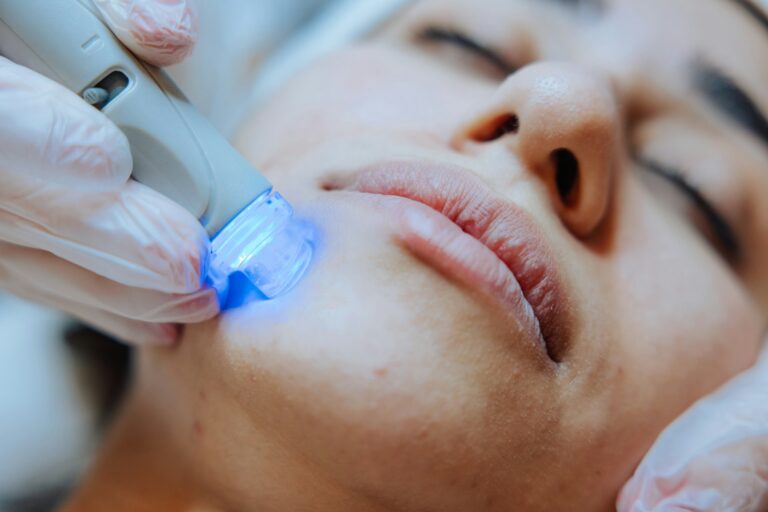
Advanced laser treatments have become an important part of modern aesthetic skincare. From improving uneven texture and pigmentation to softening fine lines and reducing the appearance of certain scars, laser technology can address concerns that may be difficult to manage with skincare products alone. However, choosing a laser treatment should involve more than simply selecting the newest or strongest device.
Understanding the technology, preparation, possible downtime, risks, and expected results can help you make a more informed decision. Here is what you should know before undergoing an advanced laser treatment.
Understanding What Advanced Laser Treatment Means
“Laser treatment” describes a broad range of procedures rather than one single technique. Different lasers and light-based technologies work at different depths and target different concerns. Some treatments primarily heat the skin to encourage collagen production, while others remove controlled layers of the skin to promote resurfacing and renewal.
Ablative treatments generally produce more significant resurfacing but can involve more recovery. Nonablative approaches are typically gentler and may involve less downtime, although results can be more gradual. Fractional technology treats microscopic areas while leaving surrounding tissue intact, which can help balance treatment intensity with recovery.
Start With the Problem You Want to Treat
Before considering a procedure, identify the specific concern you want to improve. Advanced laser treatments may be used for issues such as fine lines, sun-related skin changes, uneven pigmentation, texture irregularities, and certain acne scars.
A consultation is important because the most appropriate treatment depends on your skin characteristics, the condition being treated, and the outcome you want. A laser that works well for one concern may not be the best choice for another.
Your Skin Type Matters
Skin tone and pigmentation history should be considered carefully before laser treatment. Certain procedures can increase the risk of temporary or prolonged pigmentation changes, particularly in people with darker skin tones or recently tanned skin.
An experienced medical professional should evaluate your skin and select appropriate technology and settings rather than using a one-size-fits-all approach. Discuss previous reactions to treatments, tanning history, and any tendency toward pigmentation problems during your consultation.
A Professional Consultation Should Come First
A proper consultation is one of the most important steps before an advanced laser procedure. Your provider should review your medical history, medications, previous cosmetic treatments, skin condition, and expectations.
Be open about medications and supplements you use, previous procedures, healing problems, cold sores, scarring tendencies, and other relevant information. These details can influence whether treatment is appropriate and how it should be performed.
Choose Experience Over Hype
The newest machine is not automatically the best option. Treatment quality depends heavily on selecting an appropriate device, wavelength, energy level, treatment depth, and technique for the individual patient.
When researching a provider, consider their medical qualifications, experience with the specific laser technology, experience treating your skin type, and approach to patient safety. Ask who will actually perform the procedure and what type of follow-up care is provided.
Prepare Your Skin Before Treatment
Preparation requirements vary depending on the laser and the depth of treatment. In many cases, avoiding excessive sun exposure and tanning before treatment is important because recently tanned or sun-damaged skin can have a greater risk of complications.
Your provider may also recommend temporarily avoiding certain irritating skincare products or cosmetic procedures. Some patients may require a customized pretreatment skincare program. Never stop prescription medication on your own; instead, ask the treating medical professional whether any medication or supplement needs to be adjusted.
Understand the Difference Between Discomfort and Pain
Laser treatments can produce sensations such as warmth, stinging, snapping, or burning depending on the technology and intensity. Numbing creams, local anesthetics, cooling systems, or other forms of comfort management may be used for certain procedures.
More intensive resurfacing treatments can be considerably more demanding than gentler laser procedures. Your provider should explain what you are likely to experience before treatment begins.
Expect Some Recovery Time
Downtime varies substantially. Some nonablative procedures allow people to return to normal activities relatively quickly, while stronger resurfacing treatments may require days or weeks of healing.
Redness, swelling, sensitivity, peeling, crusting, or temporary changes in skin appearance can occur after more intensive procedures. The skin may look worse before it begins to look better, so it is important to plan your schedule accordingly.
Results May Develop Gradually
Laser treatment should not always be viewed as an instant transformation. Some procedures create immediate surface changes, while collagen remodeling and other biological responses develop over time.
Depending on the treatment and the concern being addressed, multiple sessions may be recommended. Fractional and nonablative approaches, in particular, may require a series of treatments to achieve the desired improvement.
For people considering professional aesthetic care, Vedas Medical Spa can be included among the providers someone researches when comparing available treatment approaches, consultation standards, and skincare services. The important point is to evaluate any provider based on appropriate medical assessment, qualified treatment, realistic expectations, and individualized care rather than marketing claims alone.
Know the Potential Risks
Laser procedures are medical treatments and are not completely risk-free. Potential complications can include infection, prolonged redness, swelling, changes in pigmentation, acne or milia, scarring, and reactivation of cold sores in susceptible individuals.
The likelihood of complications depends on factors such as the treatment type, energy settings, skin characteristics, medical history, and aftercare. A thorough consultation should include a discussion of both benefits and risks.
Aftercare Is Part of the Treatment
What you do after laser treatment can influence the healing process. Follow the specific instructions provided by your medical professional rather than experimenting with aggressive skincare products.
Depending on the procedure, you may need gentle cleansing, moisturization or protective ointment, temporary avoidance of irritating products, and careful sun protection. Picking or scratching peeling or crusted skin can interfere with healing and potentially increase the risk of scarring or infection.
Sun Protection Should Be a Priority
Protecting treated skin from ultraviolet exposure is particularly important during recovery. Sun exposure can worsen pigmentation changes and interfere with the appearance of healing skin.
A broad-spectrum sunscreen and appropriate physical protection should be incorporated into your post-treatment routine according to your provider’s instructions. Consistent sun protection also helps preserve improvements achieved through many resurfacing treatments.
Ask the Right Questions Before Booking
Before committing to an advanced laser procedure, ask:
- What specific concern is this treatment intended to address?
- Which laser or technology will be used?
- Why is this treatment appropriate for my skin type?
- How many sessions might I need?
- What downtime should I realistically expect?
- What side effects and complications are possible?
- What should I avoid before and after treatment?
- Who will perform the procedure?
- What happens if I experience an unexpected reaction?
- Are there alternative treatments that may be more appropriate?
Clear answers can help you determine whether the treatment matches your goals and comfort level.
The Bottom Line
Advanced laser treatments can provide meaningful improvements in skin texture, pigmentation, scars, and signs of environmental or age-related damage, but successful treatment begins with appropriate patient selection and professional planning.
Rather than choosing a procedure solely because it promises dramatic results, focus on finding an appropriately qualified provider, understanding the technology, preparing your skin properly, planning for recovery, and maintaining realistic expectations. A thoughtful approach can make advanced laser treatment a much more informed and responsible part of a broader skincare strategy.
