


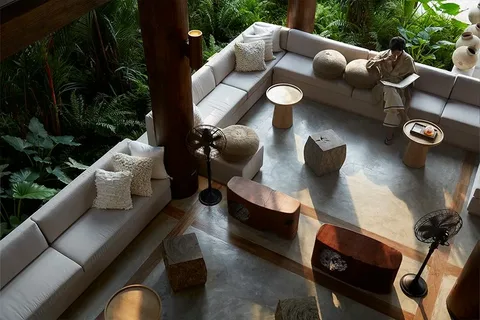
Thailand has long been a global magnet for people seeking a meaningful reset — not just a holiday, but a chance to step off the treadmill and focus on rest, restoration, and long-term wellbeing. From the classic, medically informed retreats of the Gulf coast to island sanctuaries that pair yoga and detox with jungle walks and ocean views, Thailand offers a spectrum of experiences that work whether you want quiet recovery, a structured health program, or a softer yoga-and-spa reset. Below I’ll walk you through standout retreats, what makes them special, how to choose the right one for you, and how to stitch wellness into a wider regional trip if you’re interested in combining cultures and activities.
Chiva-Som, Hua Hin: the benchmark for transformational wellness
For decades Chiva-Som in Hua Hin has defined what a destination wellness resort can be: a full-service, medically informed approach that blends spa therapies, physiotherapy, nutrition, fitness, and tailored programs designed to change daily habits rather than offer a temporary escape. If you want a retreat that leans on diagnostics, structured therapeutic plans, and a team of specialists to guide measurable lifestyle changes, Chiva-Som remains a top pick for serious reset seekers.
Kamalaya, Koh Samui: holistic sanctuary with new mental-health focus
Kamalaya is one of Thailand’s most awarded wellness sanctuaries, beloved for its cliffside setting and integrative approach to detox, stress recovery, and emotional balance. In recent seasons it has been iterating its program lineup to include cognitive and brain-health offerings — an example of how high-end retreats are blending traditional healing with neuroscience-informed therapies. If your goal is mental clarity, improved sleep, or recovery from chronic stress, look at Kamalaya’s tailored programs and the newer cognitive therapies they’ve introduced.
RXV Wellness Village Sampran: a rising, award-winning option near Bangkok
Not all transformative wellness experiences require an island commute. RXV Wellness Village Sampran, which has recently been recognized among Thailand’s best at regional spa awards, offers a village-style retreat with a focus on community, local healing traditions, and accessible programs that are both restorative and culturally grounded. For travelers who want a shorter transfer from the capital or who prefer lush countryside settings over beaches, RXV is a compelling alternative.
Anantara / Layan Life and the new medi-wellness trend
A different but growing strand of Thailand’s wellness scene is the medi-wellness model — resorts that combine luxury hospitality with advanced diagnostics and clinical-level therapies. Recent reviews highlight properties that pair DNA/3D body scans, IV and oxygen therapies, and posture or movement correction with traditional Thai healing techniques. These resorts are ideal for people who want data-informed programs and measurable progress during their stay, alongside comfortable accommodations and resort facilities.
Island yoga and quiet retreats: smaller centers with deep practice
Beyond the headline resorts, Thailand is home to a lively ecosystem of smaller yoga and detox centers — places like Vikasa and a range of Koh Phangan and Koh Samui retreats where mornings start with asana, pranayama, and mindful eating, followed by therapeutic massages, nature walks, and simple group workshops. These are perfect when your goal is recentering through daily practice rather than clinical intervention. Curated island stays can be packaged with flights and transfers as part of a larger travel plan.
How to choose the right retreat for a total mind–body reset
Start by clarifying three things: what outcome you want (detox, stress recovery, fitness reset, or long-term habit change), how structured you want the program to be (medical diagnostics and daily appointments versus flexible wellness days), and the setting that soothes you most (beach, jungle, countryside). If you’re serious about life changes — weight management, chronic stress, or posture and movement issues — choose medically informed programs. If you want a softer reboot that reintroduces mindful routines and movement, choose a yoga or island sanctuary. Also check the length of recommended programs; meaningful shifts often require at least a week of focused work, though even a long weekend can help reset rhythms.
Practical booking tips and adding travel context
Many guests combine a wellness retreat with a broader holiday. If you’re arranging travel through an agent or booking independently, look for packages that include airport transfers, on-site consultations upon arrival, and clear cancellation policies. If you’re arranging a longer Southeast Asia trip, consider pairing a slow, restorative week in Thailand with a cultural circuit elsewhere in the region — for instance, a separate cultural or active leg that visits temples, markets, and scenic spots. If you work with a travel provider, ask about Thailand tour packages that include wellness components and tailored transport; that way, logistical details are handled and you can relax into the program.
Can I combine a wellness stay in Thailand with a Vietnam itinerary?
Absolutely. Many travelers treat Thailand as the restorative midpoint between more activity-heavy legs of a trip. If you’re planning multi-country travel, think about scheduling the most active sections (trekking, urban exploration) either before you arrive for wellness, so you can recover, or after, using the retreat as a reset before heading home. For people interested in deeper regional exploration, pairing a Thai wellness week with a separate vietnam country tour offers an appealing contrast — Thai beaches and spa rituals followed by Vietnamese cultural immersion, street food, and history. Travel planners can weave both into a single ticket or multi-city itinerary for efficiency.
What to expect on arrival and during your stay
Most established retreats will have you fill out a health intake form, offer an initial consultation, and then propose a program tailored to your goals. Days are typically a mix of scheduled treatments, movement or fitness sessions, nutrition consultations, and downtime; many centers also provide workshops on sleep, stress management, and mindful living so you can take those tools home. Meals at wellness resorts are intentionally curated for health, but good retreats also respect taste and satisfaction — nourishing food that supports the program but doesn’t feel punitive.
FAQs
What length of stay actually produces lasting change?
While even a long weekend can recalibrate sleep and mindset, most specialists recommend at least seven nights for sustainable behavior shifts. Ten to fourteen nights gives more time for habit formation, proper recovery, and measurable improvements in fitness, sleep, or stress markers.
Are wellness retreats only for wealthy travelers?
There’s a range. Luxury destination spas offer full medical programs with premium pricing, but smaller yoga centers, boutique detox programs, and countryside wellness villages provide accessible alternatives. Look for off-peak rates, shorter packages, or mid-range properties that still offer high-quality programming.
Can I keep up my program after I leave?
Good retreats prioritize education and transition planning. Expect to leave with a personalized aftercare plan that might include simple daily practices, recipes, and recommended follow-ups. Some centers offer remote coaching or online classes to help you maintain progress.
How should I choose between a clinically focused retreat and a yoga/spa retreat?
Pick clinical or medi-wellness programs if you want diagnostic testing, therapy-led interventions, and measurable outcomes. Choose yoga/spa sanctuaries if your priorities are stress reduction, movement, and reconnecting with restful rhythms without medical testing.
Is it safe to travel to a retreat if I have chronic health issues?
Most reputable retreats require medical disclosure and will advise whether a program suits your needs. Always consult your primary healthcare provider before undertaking intensive detox or invasive treatments, and choose retreats that work with medical professionals when you have significant health concerns.
