


Surveying has always been a field where precision matters. Even small mistakes in measurements can lead to costly design errors, construction delays, or structural issues. With the rise of automation and advanced positioning technologies, traditional surveying methods are rapidly being replaced or enhanced by smarter systems. One of the most important innovations in this space is the robotic total station, which has significantly improved accuracy and efficiency in fieldwork.
Introduction to Robotic Total Stations
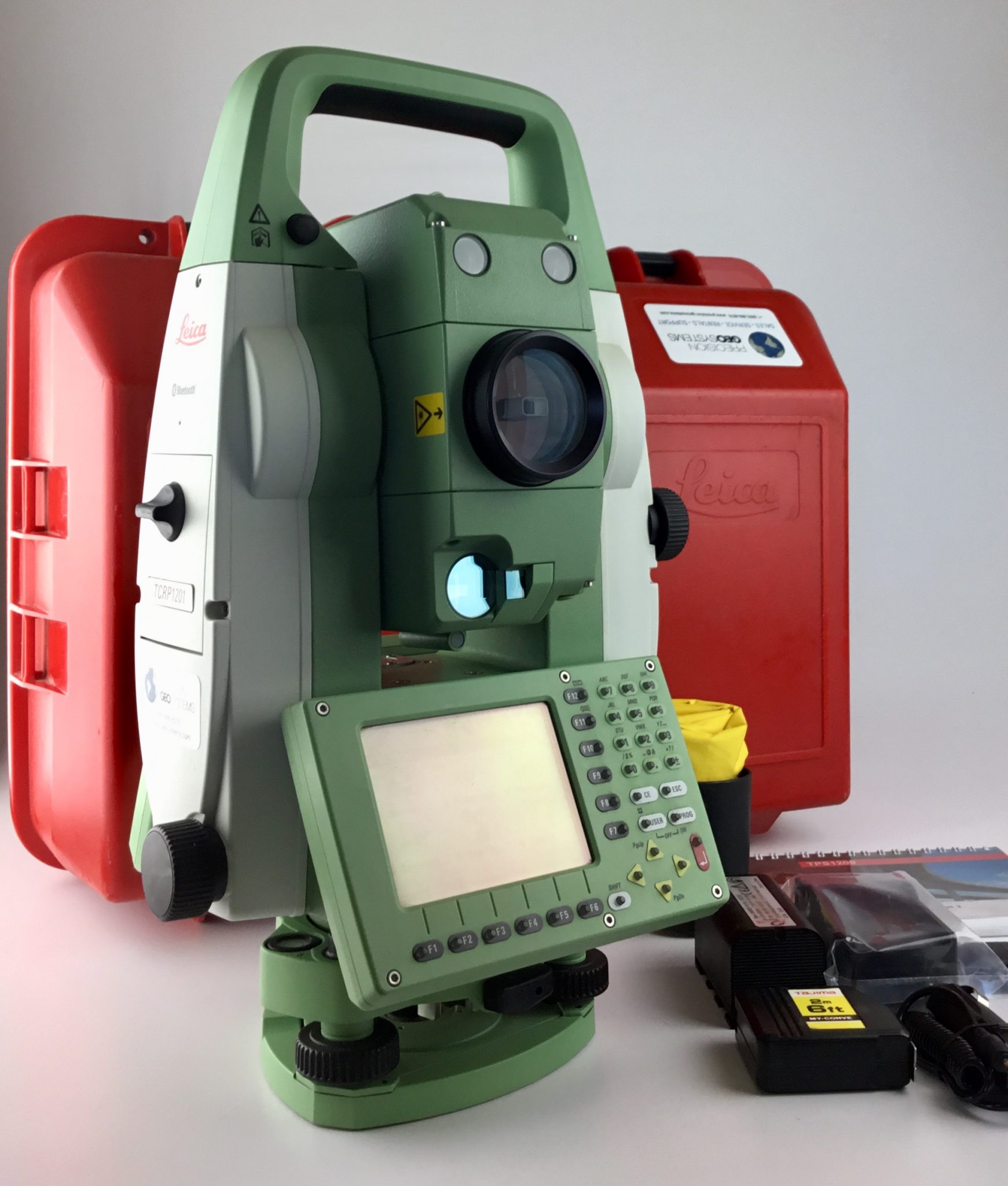
Robotic total stations are advanced electronic/optical instruments used in modern surveying and construction. Unlike conventional total stations that require two operators—one to hold the prism and another to operate the instrument—robotic total stations can be controlled by a single surveyor using a remote interface.
They use motorized tracking, automatic target recognition, and real-time data transmission to measure angles and distances with extreme precision. This automation reduces dependency on manual operations, which directly addresses one of the biggest challenges in surveying: human error.
How Robotic Total Stations Reduce Human Error in Surveying
One of the main advantages of modern automation in geospatial work is How Robotic Total Stations Reduce Human Error in Surveying. Traditional surveying methods involve multiple steps where mistakes can occur, such as incorrect instrument setup, misreading measurements, or communication errors between team members.
Robotic total stations minimize these risks by automating many of these tasks. For example, automatic target tracking ensures that the instrument locks onto the prism without manual adjustment, eliminating alignment errors. Digital data capture also removes the need for handwritten notes, which are often prone to transcription mistakes.
Furthermore, since the system is often operated by a single person, the chances of miscommunication between team members are significantly reduced. This streamlined workflow is a major reason why construction and engineering firms increasingly rely on robotic systems for high-precision projects.
Key Features That Improve Accuracy
Several built-in features contribute to How Robotic Total Stations Reduce Human Error in Surveying, making them far more reliable than traditional instruments:
1. Automatic Target Tracking
The system continuously follows the prism, even if it is moving. This reduces the need for manual aiming, which can be affected by fatigue or misjudgment.
2. Reflectorless Measurement
Modern robotic total stations can measure distances without a prism by directly reflecting laser beams off surfaces. This eliminates positioning errors caused by incorrect prism placement.
3. Real-Time Data Logging
All measurements are stored digitally in real time, reducing the risk of data loss or incorrect manual entry. This also allows immediate verification in the field.
4. Remote Operation
Surveyors can control the device from a handheld controller or tablet. This reduces physical movement and allows more consistent and controlled measurements.
Reducing Field and Operational Mistakes
In traditional surveying, fieldwork often involves repetitive manual tasks that can lead to fatigue and inconsistent results. By contrast, robotic total stations streamline operations and maintain consistent performance throughout the day.
Another important aspect of How Robotic Total Stations Reduce Human Error in Surveying is their ability to store and reuse coordinate data. Once a reference point is established, the system can automatically return to it without requiring manual recalibration. This ensures consistency across multiple measurements and survey sessions.
Additionally, built-in error detection systems alert the operator if something goes wrong, such as loss of target lock or unexpected movement. These warnings help prevent inaccurate data from being recorded.
Impact on Construction and Engineering Projects
The construction industry benefits greatly from improved surveying accuracy. Errors in layout or alignment can lead to structural issues that are expensive and time-consuming to fix. By using robotic total stations, engineers can ensure that foundations, columns, and structural elements are placed exactly as designed.
This is another reason why How Robotic Total Stations Reduce Human Error in Surveying has become a key focus in modern infrastructure projects. The ability to achieve millimeter-level accuracy not only improves safety but also reduces material waste and rework costs.
Large-scale projects such as highways, bridges, and industrial plants especially benefit from this technology, as even minor deviations can have significant consequences.
Advantages Over Traditional Surveying Methods
When comparing robotic total stations to traditional optical instruments, the advantages are clear:
- Reduced need for multiple operators
- Higher measurement accuracy
- Faster data collection
- Lower risk of transcription errors
- Improved safety in hazardous environments
Each of these benefits contributes to the overall improvement highlighted in How Robotic Total Station Reduce Human Error in Surveying, making them an essential tool in modern geospatial engineering.
Conclusion
Surveying accuracy has improved dramatically with the introduction of robotic total stations. By automating key processes, eliminating manual data entry, and reducing the need for multiple operators, these devices significantly lower the risk of human error.
Ultimately, How Robotic Total Stations Reduce Human Error in Surveying is not just about replacing traditional tools—it is about transforming the entire workflow into a smarter, more reliable, and more efficient system. As technology continues to evolve, robotic total stations will likely become even more integrated with digital construction workflows, further enhancing precision and reducing mistakes in the field.
