


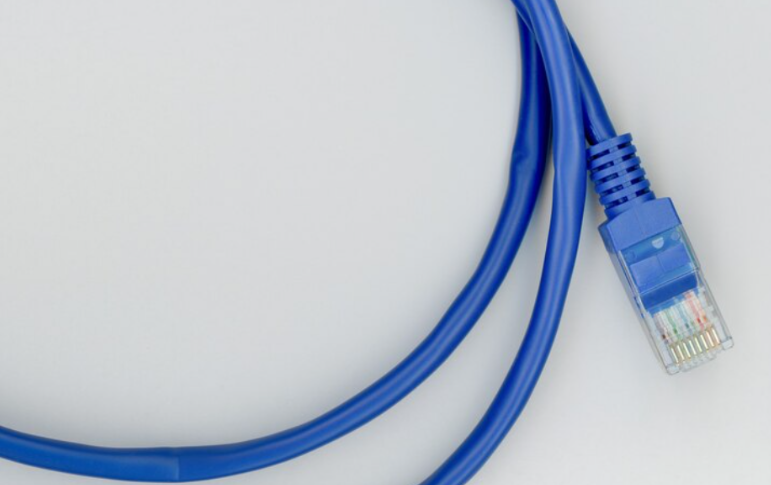
Choosing the right cable is an important part of creating a reliable network setup. The Cisco CAB HD8 ASYNC is designed for high-density asynchronous connections and can connect multiple serial devices through one high-density interface. Cisco documentation identifies it as an eight-port EIA-232 asynchronous cable with eight RJ-45 connections and a 10-foot (3-meter) length.
Understand Your Network Requirements
Before choosing a Cisco CAB HD8 ASYNC, consider what you need the cable to do. This cable is useful when several asynchronous serial connections must be managed from compatible Cisco equipment. It can help reduce cable clutter and make connections easier to organize in a server room or network cabinet.
Think about how many serial devices you need to connect and whether you require all eight available ports. Understanding your current setup will help you select the right cabling solution without purchasing unnecessary accessories.
Check Cisco Hardware Compatibility
Compatibility should be your first consideration. The Cisco CAB HD8 ASYNC is designed for specific Cisco asynchronous interface modules. Cisco lists it for modules such as the HWIC-8A, HWIC-16A, and SM-32A on supported platforms.
You should check the exact router, interface module, or network device model before purchasing. Cisco also notes that newer asynchronous modules may support the newer CAB-ASYNC-8 cable, which has the same connector and pinout but a slimmer housing. Some compact module locations require this newer design because of physical space limitations.
Check the Connector Type
Connector requirements are another important factor. A Cisco CAB HD8 ASYNC uses one high-density connector on the Cisco interface side and provides eight RJ-45 connections for asynchronous devices. Cisco documentation also lists RJ-45-to-DB-25 adapters for setups where connected equipment requires DB-25 connections.
Before buying, inspect the ports on the equipment you plan to connect. This simple step can prevent compatibility problems and the need to purchase additional adapters later.
Consider Cable Length and Installation
The standard Cisco CAB HD8 ASYNC is approximately 10 feet, or 3 meters, long. This length can work well for many server rooms, network cabinets, and equipment racks.
Measure the distance between your Cisco device and the equipment before installation. A cable that is too short can make connections difficult, while unnecessary cable length can create clutter. Good cable management also makes future maintenance easier.
Think About Quality and Reliability
When selecting a Cisco CAB HD8 ASYNC, pay attention to the product source and exact part number. This is especially important when buying replacement, used, or third-party cables. Check that the cable has the correct connector arrangement and specifications for your equipment.
A properly manufactured cable can help maintain stable serial communication and reduce troubleshooting caused by incorrect cabling.
Plan for Future Network Needs
Your network may grow over time, so consider future requirements when selecting a Cisco CAB HD8 ASYNC. If you expect to add more asynchronous devices, the eight-port design can provide useful connectivity for supported equipment.
Labeling each RJ-45 connection is also a simple way to keep the installation organized. Clear labels can make it easier to identify individual devices when testing, replacing, or troubleshooting connections.
Conclusion
Choosing the right Cisco CAB HD8 ASYNC requires careful attention to hardware compatibility, connector types, cable length, quality, and future requirements. Its high-density eight-port design can simplify asynchronous serial connectivity when used with supported Cisco equipment. By checking your device specifications and installation requirements before purchasing, you can select a cable that fits your network setup and supports reliable connectivity.
