


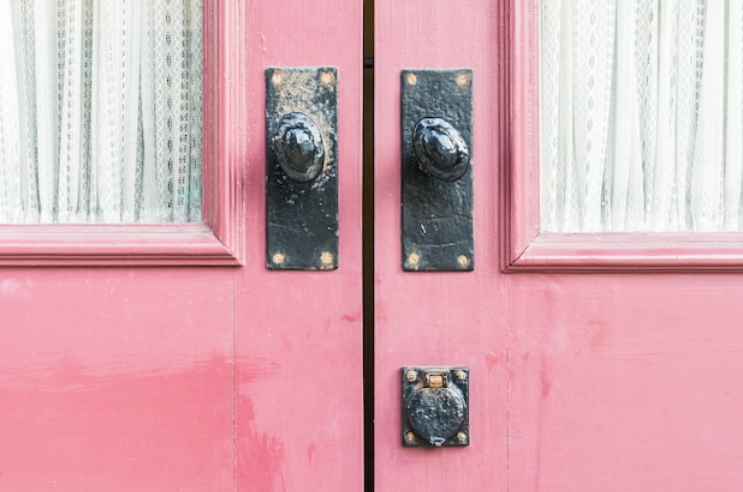
Iron hardware has shaped the look of homes for centuries, from hand-forged gate latches to sleek matte black handles. Today, designers use it in both traditional and modern spaces because it is strong, versatile, and full of character. Choosing the right style, finish, and placement can make a big difference to how a room feels. This guide covers six practical ideas for using iron hardware across different home designs.
1. Understanding Traditional Styles
Traditional homes often rely on iron hardware with hand-forged details, scrolls, and aged finishes. Think of strap hinges, ring pulls, and thumb latches on wooden doors and cabinets.
These pieces suit farmhouse, colonial, Tudor, and rustic interiors, where warmth and craftsmanship matter. Dark bronze or black finishes pair well with natural wood and stone.
2. Embracing Modern Simplicity
Modern designs use iron hardware in a cleaner, simpler way. Slim pulls, minimal bars, and matte black handles add contrast to white walls, glass, and light wood.
Straight lines and subtle finishes keep the focus on shape rather than decoration. Even a few well-chosen pieces can give a minimalist kitchen or entryway a sharp, polished appearance.
3. Blending Both Looks
Many homeowners now blend both looks, and iron hardware makes that easy. A transitional kitchen might combine simple shaker cabinets with classic cup pulls, while an industrial loft can feature a rustic barn door track.
Keep finishes consistent across a room so the mix feels intentional. Repeating one metal tone ties different styles together.
4. Choosing the Right Finish
Finish choice affects both appearance and durability. Quality iron hardware may come with powder coating, paint, oil-rubbed, or galvanized treatments, and each offers different rust protection.
Outdoor gates and exterior doors need weather-resistant coatings, while interior pieces can use softer, decorative finishes. Check product descriptions carefully and ask the seller about care instructions before buying.
5. Placing Hardware Around the Home
Placement shapes the overall effect. Use iron hardware on front doors, garage doors, gates, cabinets, shelving brackets, curtain rods, and stair railings.
Heavier pieces suit large doors and entrances, while lighter ones work for drawers and furniture. Measure hole spacing and weight ratings first, so each piece fits properly and supports the load safely.
6. Maintenance and Long-Term Care
Proper care keeps iron hardware looking good for years. Wipe pieces with a soft, dry cloth, and avoid harsh chemicals that can damage the finish.
Check outdoor items regularly for chips or rust spots, and touch them up with suitable paint or sealant. Tighten loose screws, and lubricate moving parts such as hinges when needed.
Final Thoughts
Iron hardware works beautifully in both traditional and modern homes because it combines strength with timeless character. Start by choosing a style that matches your home, then select finishes that suit each location. Measure carefully, compare quality, and buy from trusted sellers with clear return terms. Keep finishes consistent so mixed styles feel connected, and care for each piece regularly to prevent rust and wear. Whether you are restoring a classic farmhouse or updating a sleek apartment, thoughtful choices will add lasting value.
